Buying a used motor grader in Germany can give contractors, equipment dealers and international fleet operators access to established machinery while allowing the purchase to be matched closely to a specific project and budget. A professional purchase should consider the machine configuration, documented information, visible condition, commercial terms and logistics together. This guide explains a structured approach for buyers sourcing used equipment through Germany.
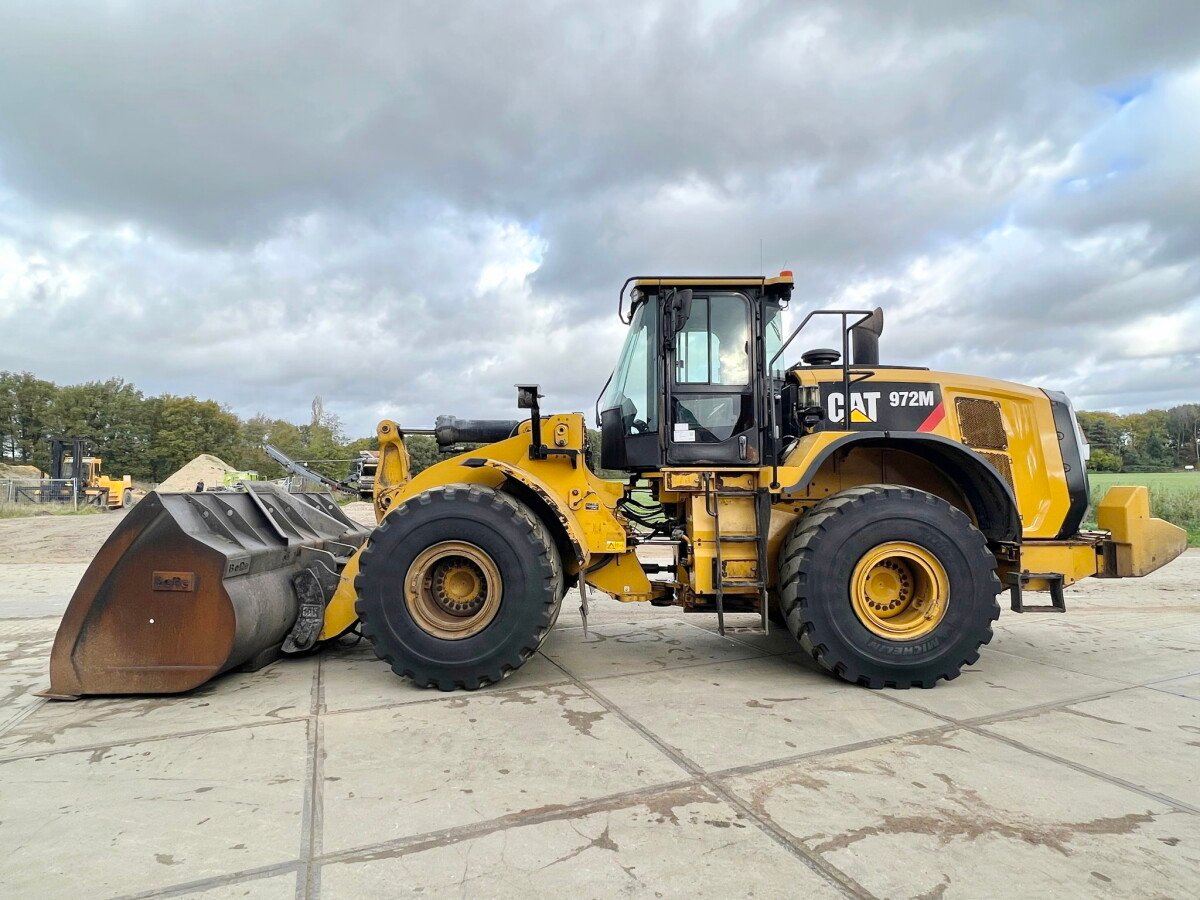
Define the Machine Requirement Before You Buy
Begin with the work the equipment must perform. Capacity, operating environment, required reach or working geometry, attachments and transport constraints can all influence which machine is appropriate. Buyers should prepare a concise requirement before requesting offers. Include the preferred equipment category, manufacturer or model range where relevant, required attachments, destination and any project-specific limitations.
Comparing machines only by price can hide important differences. Two units from the same general category may have different configurations, equipment packages, operating histories and transport requirements. The objective should be to identify a machine whose documented characteristics fit the intended work and then evaluate the complete commercial offer.
Review Machine-Specific Information
For every candidate machine, review the information provided for that individual unit. Relevant details may include manufacturer, model, year, operating hours, configuration, engine or power information, operating weight, dimensions and included attachments when those details are available. Do not assume a specification simply because it is common for a model family; individual machines can differ by market, configuration and equipment.
Ask for clarification when an important detail is absent. Buyers should also distinguish between verified machine-specific data and general model information. This is particularly important when transport planning, job-site limits or attachment compatibility depends on exact dimensions or configuration.
Professional Inspection Priorities
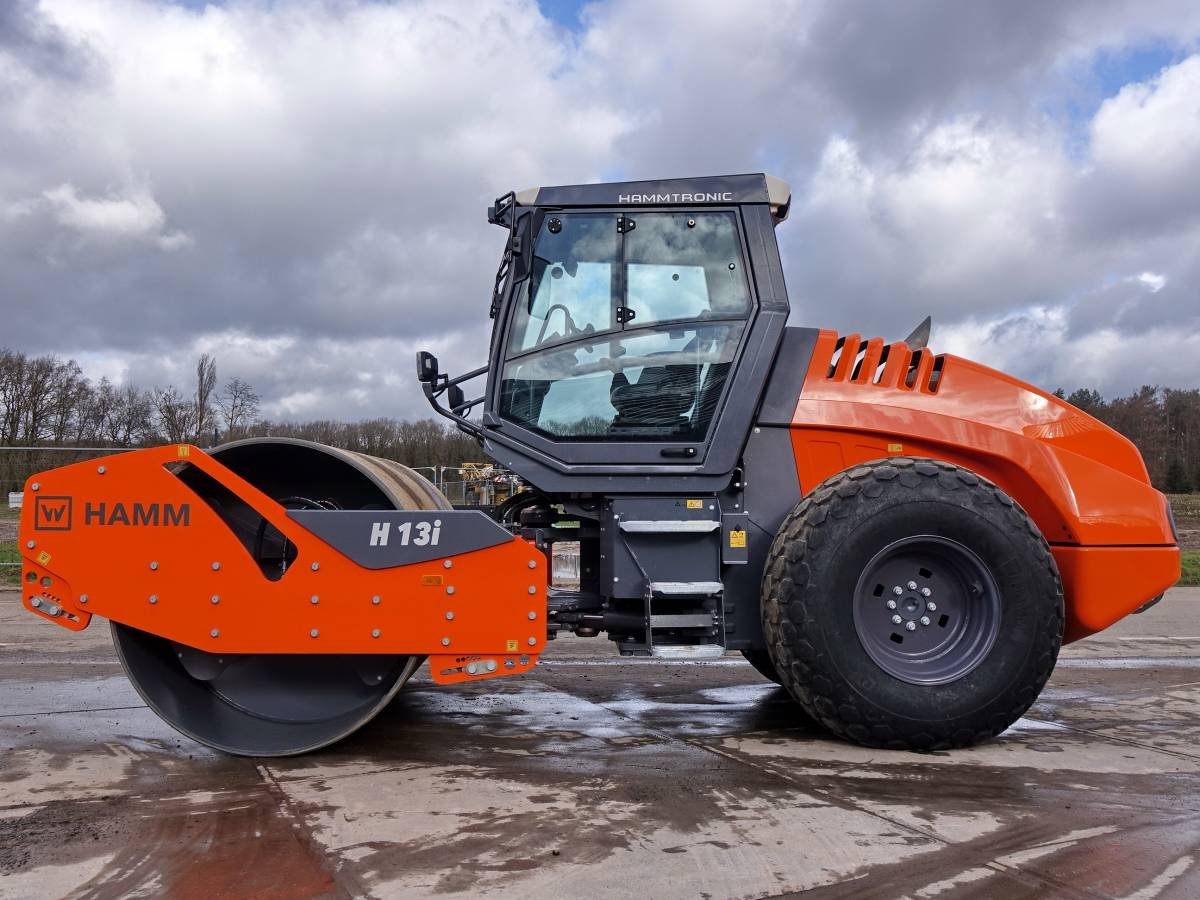
A physical or appropriately documented inspection can help a buyer understand the condition of a used machine. Inspection priorities depend on equipment type, but commonly include structural areas, working equipment, hydraulics, engine compartment, cooling system, tyres or undercarriage, controls, cab, electrical functions and attachment connection points. Look for visible leakage, damage, excessive wear or repairs that require explanation.
Functional checks can provide information that static photographs cannot. Where practical, buyers may request additional photographs, video or an independent inspection appropriate to the value and complexity of the transaction. The scope should be agreed rather than assumed.
Working Equipment and Attachments
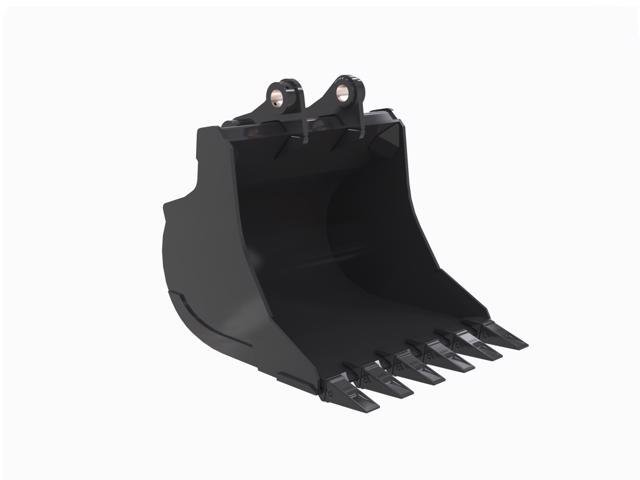
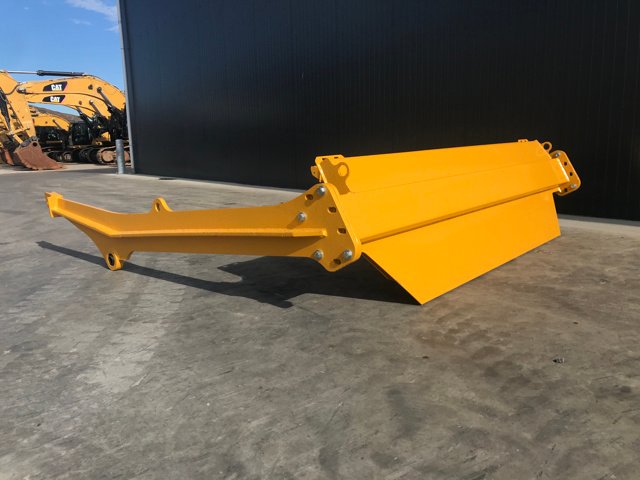
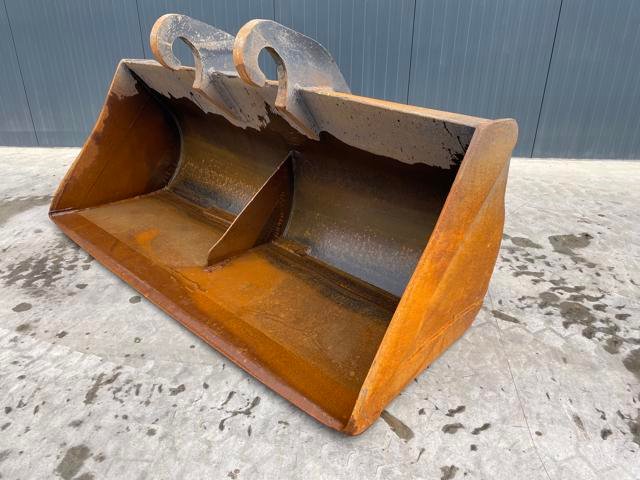
Confirm exactly what is included with the machine. Buckets, forks, couplers, blades, auxiliary hydraulic equipment and other attachments can materially affect both usability and commercial value. Attachment compatibility should be verified for the specific machine rather than inferred from appearance.
Tyres, Undercarriage and Wear Components
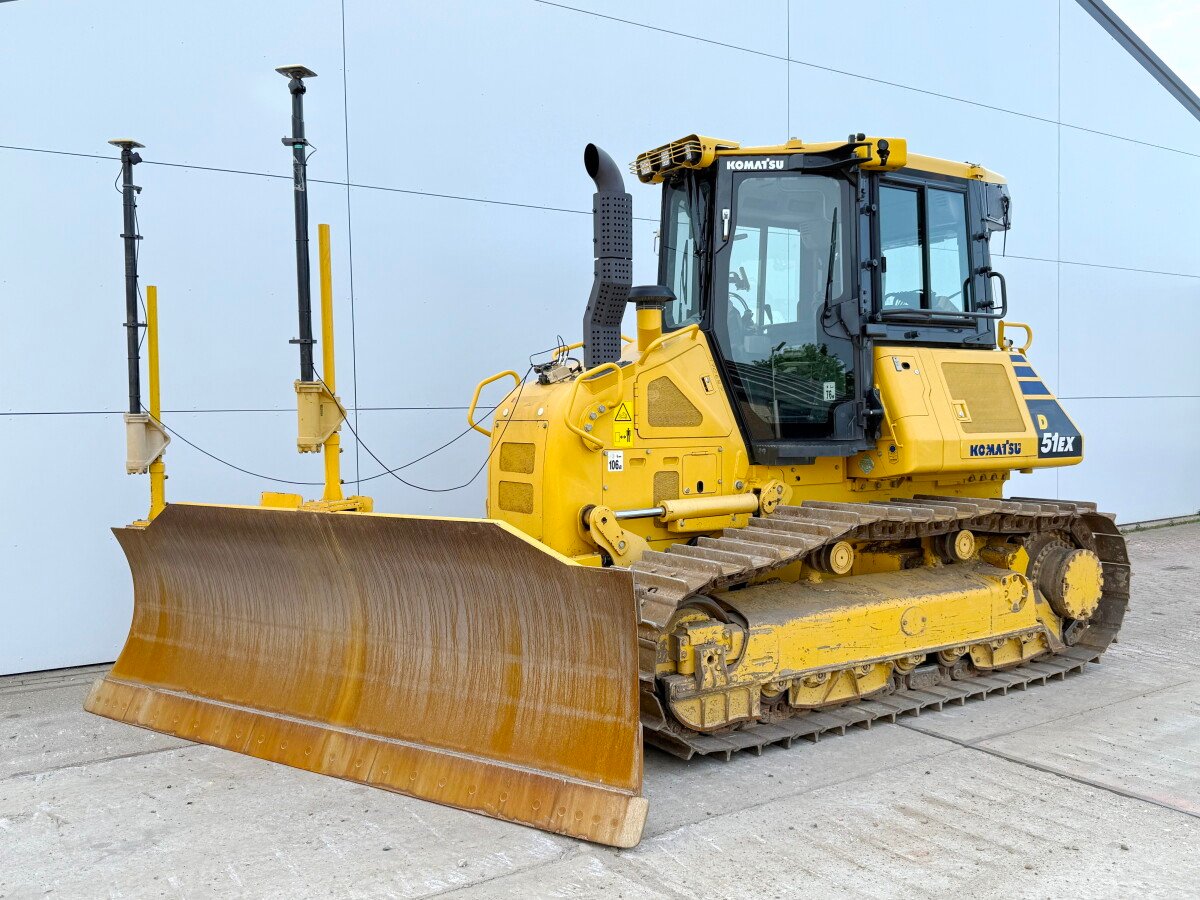
Wear components deserve attention because replacement can affect the effective acquisition cost. The relevant components depend on machine type. Wheeled equipment may require review of tyres, rims, axles and steering areas, while tracked equipment requires attention to chains, shoes, rollers, idlers and sprockets. Assess the available evidence and request further information when necessary.
Documentation and Commercial Offer
A professional quotation should clearly identify the machine being offered and the commercial basis of the transaction. Confirm the seller, machine description or reference, price or quotation basis, included equipment, validity and delivery arrangement as applicable. For international purchases, discuss available documentation and destination requirements before shipping is arranged.
Documentation requirements vary between countries and transactions. Buyers should check import, customs, registration and compliance requirements with the relevant authorities or professional advisers in the destination market. General background on the equipment category can also be found in the Wikipedia overview of motor graders, while machine-specific purchasing decisions should rely on the documentation for the actual unit being offered.
Planning International Transport
Export buyers should provide the final destination or preferred port when requesting a commercial offer. Machine dimensions, weight, configuration and attachments can influence transport planning. Some equipment may require preparation before shipment, while other machines may move in a different configuration. Transport assumptions should therefore be based on the actual unit rather than a generic model description.
Buyers can review Pfeifer Heavy Machinery GmbH information about export and shipping and discuss destination requirements when requesting a quotation. Incoterms, freight scope and documentation should be stated clearly in the final commercial agreement rather than assumed from general website information.
Where to Find Used motor graders in Germany
Browse the Pfeifer Heavy Machinery GmbH motor grader inventory and the wider machinery inventory for current listings. Availability changes as equipment is sold or added, so the individual listing and latest sales confirmation should be used for current information.
When you identify a suitable machine, use the Request a Quote page and include the machine reference or model, destination and any required attachments. Buyers can also contact Pfeifer Heavy Machinery GmbH for additional information.
How to Compare Competing Offers
Compare offers on a like-for-like basis. A lower headline price may not represent the lower total acquisition cost if equipment, preparation, documentation or logistics differ. Check what is included, what remains the buyer's responsibility and which machine-specific details have been confirmed. Keep important commercial points in writing.
For fleet buyers, consistency of configuration can also matter. If several machines are required, specify whether identical models are essential or whether equivalent machines are acceptable. This helps the sales team respond with relevant inventory rather than unsuitable alternatives.
Final Buying Checklist
Before proceeding, confirm that the machine suits the intended application, review the available machine-specific data, clarify included equipment, assess condition information, understand the written commercial terms and plan transport for the actual destination. Any unresolved point that could materially affect use or cost should be clarified before payment or shipment arrangements.
Pfeifer Heavy Machinery GmbH, based in Kleve, Germany, provides a central route for buyers to review used machinery and submit commercial enquiries. Start with the relevant inventory category, identify the equipment that fits your project and request current information and a written quotation for the specific machine.