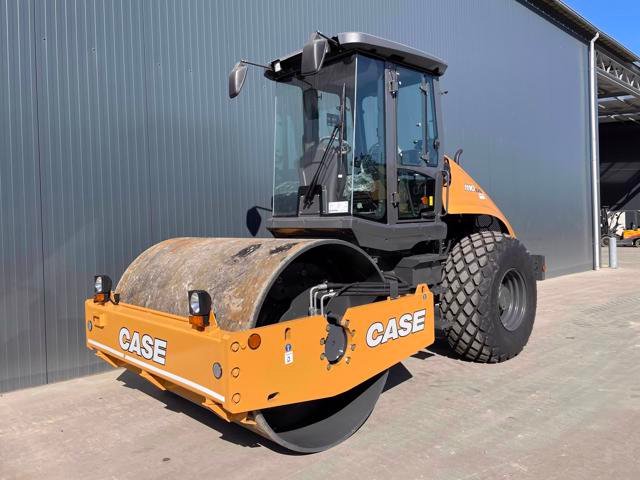
For contractors, machinery dealers and international fleet buyers, researching Case — 1110EX D should involve more than comparing an asking price. A professional purchase considers application suitability, documented machine information, visible condition, configuration, attachments, commercial terms and transport as one complete decision. This Pfeifer Heavy Machinery GmbH guide explains a structured way to assess this machine and comparable used equipment offered from Germany.
Start With the Intended Application
Define the work the machine must perform before comparing individual units. Consider job-site conditions, expected utilization, capacity requirements, operating space, attachment needs and transport limitations. A model that is suitable for one contractor may not be the right configuration for another. Buyers should therefore prepare a written requirement that identifies the equipment category, preferred model or manufacturer where relevant, destination, required attachments and any project-critical specification.
Machine names and model families are useful search terms, but they do not guarantee identical equipment. Configuration can vary according to market, production period and optional equipment. Use the individual listing as the starting point and request confirmation whenever an important detail is not documented.
Inspect the Individual Machine
Used machinery should be assessed as an individual asset. Review available photographs and documentation carefully and request further information where necessary. Depending on equipment type, inspection priorities can include structural areas, engine compartment, cooling system, hydraulics, working equipment, pins and joints, cab controls, electrical functions, tyres or undercarriage and attachment connection points.

Engine, Cooling and Hydraulics
Look for visible leakage, damaged hoses, abnormal contamination and repairs that require explanation. Hydraulic cylinders, hoses and connection points should be considered together with the machine’s working equipment. Where commercially appropriate, a functional test, additional video or independent inspection can provide information that static photographs cannot.
Structure and Wear Components
Inspect visible structural areas for damage, repairs or excessive wear. On tracked equipment, the undercarriage can represent a significant ownership cost, so track shoes, chains, rollers, idlers and sprockets deserve attention. On wheeled equipment, tyre condition, rims, steering and axle areas may be more relevant. Evaluate the wear components applicable to the actual machine rather than assuming condition from age or hours alone.
Attachments and Configuration
Confirm exactly what is included in the offer. Buckets, forks, couplers, blades, auxiliary hydraulic lines and other attachments can materially affect usability and value. Attachment compatibility should be verified for the specific unit. If a project requires a particular tool or interface, state that requirement before the quotation is finalized.
Configuration also influences logistics and site suitability. Dimensions, weight and installed equipment may affect transport planning. When exact measurements are important, request confirmation for the individual unit instead of relying on generic model literature.

Commercial Offer and Documentation
A professional quotation should clearly identify the machine being offered and the commercial basis of the transaction. Confirm the seller, machine description or reference, included equipment, quotation validity, price basis and delivery scope as applicable. Keep important technical and commercial points in writing so that the machine, attachments and logistics remain connected to the same offer.
Documentation varies by machine and destination. Buyers should ask which documents are available for the specific unit and independently confirm import, customs, registration and compliance requirements in the destination market. For neutral background about this equipment category, see the Wikipedia overview of Rollers & Compaction. General references are useful for terminology, while purchasing decisions should rely on verified information for the actual machine.
International Export from Germany
Export buyers should provide the final destination or preferred port when requesting commercial terms. Freight planning depends on the machine’s actual size, weight, configuration and attachments. Some machines may require preparation for transport, while others can move in a different configuration. These details should be discussed before shipment rather than assumed.
Review Pfeifer Heavy Machinery GmbH information about export and shipping. The final quotation or sales documentation should state the agreed delivery basis and responsibilities. Buyers remain responsible for confirming destination-country import requirements with the appropriate authorities or advisers.
Compare Total Acquisition Value
Do not compare offers on headline price alone. Included attachments, configuration, documented condition information, inspection requirements, preparation and transport can change the effective acquisition cost. A more complete offer may be commercially preferable even when its initial figure is different. Compare like with like and identify what remains outside each quotation.
Fleet buyers should also decide whether identical models are essential or whether equivalent machines are acceptable. Providing this information helps a supplier identify relevant alternatives without compromising project requirements.
Where to Find Rollers & Compaction in Germany
Browse the Pfeifer Heavy Machinery GmbH Rollers & Compaction inventory and our wider machinery inventory. Availability changes as machines are added or sold, so always request current confirmation for the individual unit.
For commercial terms, submit a Request a Quote with the machine name or reference, destination and any attachment requirements. You can also contact Pfeifer Heavy Machinery GmbH for additional information.
Questions Worth Asking Before Purchase
Ask whether the machine remains available, which attachments are included, which specifications have been confirmed, whether additional photographs or video can be supplied, what inspection arrangements are possible and what destination information is needed for an export quotation. Questions should reflect the intended project rather than being limited to a generic checklist.
If the seller proposes an alternative unit, assess it separately. Similar model names do not necessarily mean identical specification, equipment or condition. Keeping the machine reference in all correspondence reduces the risk of confusing information during multi-machine enquiries.
Plan for Ownership After Delivery
Consider routine maintenance, parts availability, operator familiarity and local technical support before purchase. These factors can affect long-term practicality, particularly when machinery is exported to a market where a particular brand or model is less common. The purchase decision should therefore consider both acquisition and intended operation.
Final Professional Buying Checklist
Before proceeding, confirm application suitability, review available machine-specific information, clarify attachments, assess condition evidence, understand the written commercial terms and plan transport for the actual destination. Resolve any issue that could materially affect operation, cost or delivery before payment and shipment arrangements are finalized.
Pfeifer Heavy Machinery GmbH is based in Kleve, Germany. Our online inventory gives contractors, dealers and international buyers a practical route to identify used heavy equipment, review available information and request current commercial terms for specific machines.